What is data modernization?
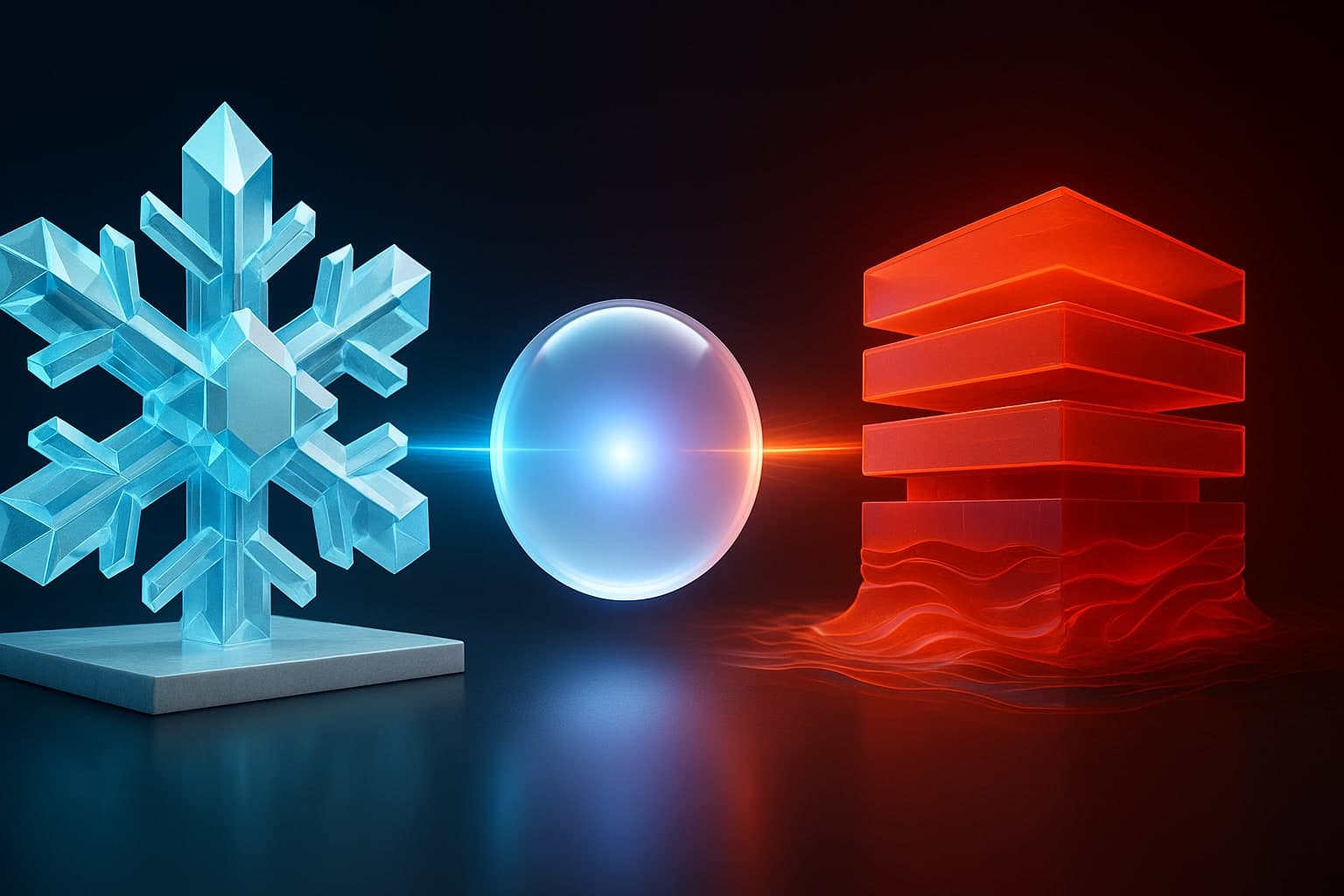
Data modernization is the process of migrating from legacy data systems (on-premise warehouses, decade-old ETL tools, scattered file-based reporting) to cloud-native platforms designed for real-time analytics, AI, and personalization. It's not just a lift-and-shift: modernization typically involves re-architecting pipelines, adopting a lakehouse or medallion pattern, and rebuilding governance for the cloud era.
What does Decision Foundry's data modernization service include?
Current-state assessment of legacy systems (Teradata, Oracle, on-prem Hadoop, SAS, etc.); target-state architecture design on Snowflake, Databricks, BigQuery, or Microsoft Fabric; pipeline modernization (legacy ETL → modern ELT with dbt / Fivetran / Airflow); data migration with quality controls; governance rebuild; user retraining; and a phased cutover plan that keeps the lights on during transition.
How is modernization different from migration?
Migration moves data from system A to system B with minimal change ("lift and shift"). Modernization migrates AND redesigns, adopting cloud-native patterns, fixing accumulated technical debt, and unlocking capabilities the legacy system couldn't support (real-time, AI, governance at scale). Migrations get you the same broken system on a new platform; modernization gets you a better operational model. We do both, but we recommend modernization in 80%+ of cases.
How long does a data modernization project take, and what does it cost?
A focused modernization (one source system, one target platform, 6-10 datasets) runs 12-20 weeks. A full enterprise modernization (multiple legacy systems, hundreds of pipelines, governance rebuild) runs 9-18 months, typically phased across releases. Cost varies widely with data volume, system count, and parallel-run requirements. Every engagement starts with a free discovery call and modernization assessment.
We can't take downtime for migration, how do you handle that?
Every enterprise modernization we deliver assumes zero downtime. We design parallel-run windows where legacy and modern systems both produce data, validate parity, then cut over with rollback paths in place. For highly regulated environments, we maintain dual-write periods of 30-90 days before fully decommissioning the legacy. The architecture-first approach makes this possible: without it, modernization becomes a high-risk big-bang.
Why Decision Foundry for data modernization?
Since 2004 we've delivered enterprise data migrations across Teradata → Snowflake, Oracle → Databricks, on-prem Hadoop → cloud lakehouse, and dozens of other legacy → modern transitions. Snowflake Select Partner, Databricks Premier Partner, full Salesforce certifications. Our FDE engineers embed inside your team during cutover, when the platform is the easy part and the people are the hard part.